Unlock Risotto's Versatility: Creative Recipes for Home
Often considered the sophisticated cousin of everyday rice dishes, risotto holds a special place in the heart of Italian cuisine. It’s an elegant, creamy rice preparation that, despite its restaurant-worthy reputation, is surprisingly accessible for the home cook. Far from being a daunting culinary challenge, mastering a basic risotto recipe opens up a world of creative possibilities, transforming ordinary meals into memorable dining experiences. Forget the myth that risotto is difficult; once you grasp the simple technique, you’ll discover an unpretentious yet adaptable dish that truly acts as a blank canvas for an endless palette of flavors.
From its humble origins in northern Italy, risotto brings together comfort, class, and unparalleled versatility. Whether you're a seasoned chef or just starting your culinary journey, the reward of a perfectly cooked, velvety smooth risotto is immense. This article will guide you beyond the basics, exploring how you can unleash risotto's full potential in your own kitchen with creative and delicious variations for every season and occasion.
The Heart of Risotto: Understanding the Fundamentals
Before diving into inventive new dishes, it’s essential to appreciate the core elements that make risotto so unique. Understanding these fundamentals is the secret to consistent success and the foundation for all your future culinary experiments.
The Right Rice Matters: Your Foundation for Creaminess
The first, and arguably most critical, step to a perfect risotto is selecting the correct type of rice. This isn't just any rice; it’s a specific category of short-grain, high-starch varieties that are essential for achieving that characteristic creamy texture. The starches released during the cooking process are what give risotto its luscious consistency.
- Arborio Rice: This is the most widely available and traditional choice for risotto. Its medium-sized grains have a high starch content and a firm bite, making it fantastically creamy while maintaining a pleasant chew.
- Carnaroli Rice: Often dubbed the "king of rice" by Italian chefs, Carnaroli has longer grains than Arborio and an even higher starch content. It absorbs liquid exceptionally well, making it less prone to overcooking and resulting in an incredibly creamy, yet distinct, al dente finish.
- Vialone Nano Rice: Another excellent high-starch option, Vialone Nano has smaller, rounder grains that cook more quickly. It’s particularly well-suited for seafood risottos due to its delicate texture.
While Farro or even sushi rice can work in a pinch for a different texture, it's crucial to steer clear of long-grain varieties like jasmine or basmati. These types lack the necessary starch to create the signature creaminess that defines a true risotto.
Mastering the Risotto Method: Time, Attention, and Technique
The cooking technique, known simply as the "risotto method," is what truly transforms the rice. While it requires your presence at the stovetop, it's not difficult, just attentive. For about 20-30 minutes, your main task is to gradually add hot stock to the rice, one ladleful at a time, stirring often until each addition is absorbed. This continuous, gentle agitation releases the starches from the rice grains, creating the velvety, emulsified sauce that coats every kernel.
A basic Beginner's Guide to Risotto: Achieve Restaurant Quality will typically involve sautéing aromatic vegetables like shallots or onions in butter, toasting the rice, deglazing with dry white wine or vermouth, and then the gradual addition of hot chicken or vegetable stock. Finishing with Parmesan cheese and a knob of butter (a technique called mantecare) off the heat ensures ultimate creaminess and shine. The beauty of this process is that once you've nailed the method, the world of flavors truly opens up.
Achieving the Perfect Consistency: The "Wave" Test
A properly cooked risotto should be all'onda – "like a wave." When you shake the pan or tilt the bowl, it should gently spread and flow like a soft, creamy mound. It shouldn't be runny like soup, nor should it be stiff or gluey. The rice grains themselves should be tender yet retain a slight bite in the center – what Italians call al dente.
Beyond the Classic: Creative Risotto Recipes for Every Season
With the foundational technique under your belt, it's time to unleash your culinary imagination. Risotto is an incredible vehicle for seasonal ingredients, making it a dynamic dish that can evolve throughout the year.
Spring's Freshness: Bright and Vibrant Risottos
As spring awakens, so too can your risotto. Embrace the light, vibrant flavors of the season:
- Asparagus and Lemon Risotto: A classic for a reason! Tender asparagus spears, blanched and added at the end, bring a fresh snap. A squeeze of lemon juice and zest brightens the entire dish.
- Pea and Mint Risotto: Sweet green peas, especially fresh ones, combined with the invigorating aroma of fresh mint, create a delightfully refreshing risotto perfect for a light lunch.
- Wild Mushroom & Spring Onion Risotto: Earthy wild mushrooms (like morels or chanterelles) complement the subtle pungency of young spring onions, offering depth without being heavy.
Summer's Bounty: Sunshine in Every Bite
When the sun is high, showcase the intense flavors of summer produce:
- Tomato and Basil Risotto: Whether using sweet cherry tomatoes bursting with flavor or sun-dried tomatoes for a more concentrated taste, fresh basil is its perfect companion. Add a splash of good quality olive oil at the end.
- Zucchini and Saffron Risotto: Delicate zucchini, gently sautéed, paired with the exotic aroma and golden hue of saffron, creates an elegant and comforting summer meal.
- Seafood Risotto (Risotto ai Frutti di Mare): Succulent shrimp, tender calamari, and briny mussels cooked directly into the risotto stock, with a hint of white wine, make for a luxurious and impressive dish.
Autumn's Comfort: Earthy and Warming Combinations
As leaves turn, pivot to heartier, more robust ingredients that offer warmth and depth:
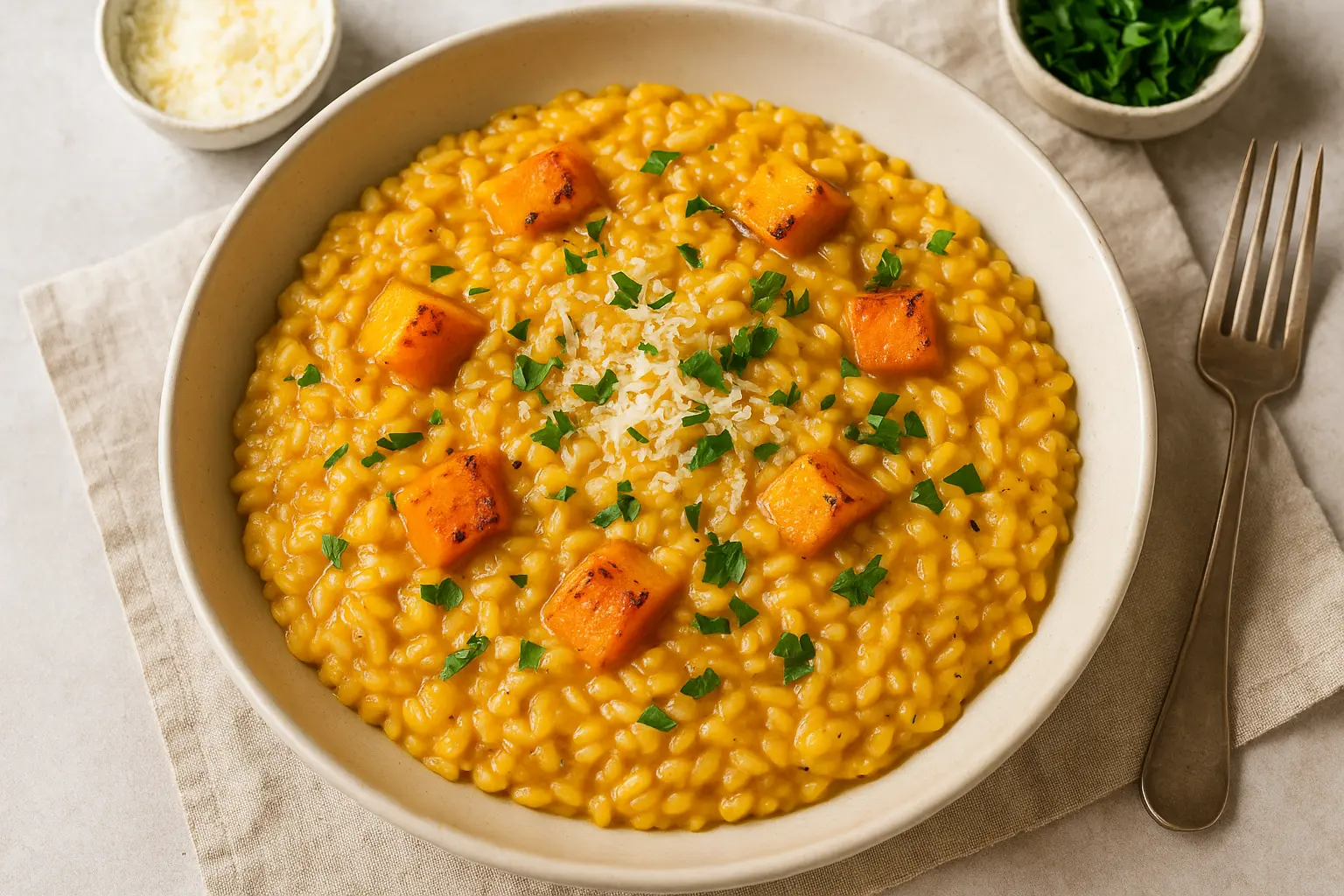
- Butternut Squash and Sage Risotto: Roasted butternut squash purée stirred into the risotto provides natural sweetness and a beautiful color, while crispy fried sage leaves offer an aromatic contrast.
- Wild Mushroom and Truffle Risotto: A symphony of earthy flavors. Use a mix of wild mushrooms (porcini, cremini) and finish with a drizzle of high-quality truffle oil for an intoxicating aroma.
- Sausage and Radicchio Risotto: The savory richness of Italian sausage perfectly balances the slightly bitter notes of radicchio, creating a wonderfully complex flavor profile.
Winter's Warmth: Rich and Hearty Risottos
For chilly evenings, turn to deeply flavored, comforting risottos:
- Red Wine Risotto (Risotto al Barolo): Instead of white wine, use a full-bodied red wine like Barolo or Chianti for deglazing and even part of the liquid. The result is a stunning, deeply colored risotto with a complex, fruity depth.
- Beetroot and Goat Cheese Risotto: Roasted beetroot purée infuses the rice with an incredible vibrant color and earthy sweetness, beautifully complemented by the tangy creaminess of goat cheese.
- Osso Buco Risotto: For a truly decadent meal, serve a rich saffron risotto (Risotto alla Milanese) alongside slow-cooked osso buco, allowing the meat juices to mingle with the creamy rice.
Smart Hacks and Variations for the Home Cook
Risotto doesn't always demand your undivided attention at the stove. There are clever ways to adapt the process and ingredients to suit your lifestyle and dietary needs.
The "Hands-Off" Approach: Oven-Baked Risotto
For those times you crave risotto but prefer less stirring, oven-baked risotto is a game-changer. After the initial sautéing of aromatics and rice, the mixture is transferred to a baking dish with hot stock, covered, and baked until the liquid is absorbed. A quick stir and a finish with Parmesan and butter, and you have a creamy risotto with minimal effort. This method is particularly useful when cooking for a crowd.
Vegetarian & Vegan Adaptations
Most vegetable-based risottos can be easily made vegetarian by simply swapping chicken broth for a good quality vegetable broth. For a vegan version, use olive oil instead of butter, and opt for nutritional yeast, plant-based Parmesan alternatives, or even a cashew cream stirred in at the end for that signature rich, cheesy finish. Mushrooms and sun-dried tomatoes can provide excellent umami depth.
Beyond Rice: Farro Risotto
If you're looking for a delightful textural variation, consider using farro instead of traditional risotto rice. Farro, an ancient grain, creates a risotto that is nuttier and chewier, offering a rustic twist on the classic. The cooking method remains similar, though farro may require a slightly longer cooking time and potentially more liquid.
Elevate Your Risotto: Tips for Restaurant-Quality Results at Home
Achieving truly exceptional risotto at home isn't just about the ingredients; it's about the little details that make all the difference. Here are some pro tips to help you Master Risotto: Delicious & Easy Recipes for Any Night:
- Always Use Hot Stock: Heating your stock (broth) before adding it to the rice is crucial. Adding cold stock will shock the rice, slowing down the cooking process and potentially affecting the final texture. Keep it simmering gently in a separate pot.
- Toast Your Rice Properly: After sautéing the aromatics, add the dry rice and stir for 1-2 minutes until the edges of the grains become translucent but the center remains opaque. This step, called tostatura, locks in the starch and helps the grains maintain their structure, preventing mushiness.
- Don't Rush the Wine: Allow the white wine or vermouth to evaporate completely after deglazing the pan. This ensures the alcohol cooks off, leaving behind its bright, acidic flavor.
- Taste, Taste, Taste: Regularly taste your risotto during the last few minutes of cooking. This helps you judge the rice's doneness and adjust seasoning as needed. Remember, al dente is key.
- The Power of Mantecare: Once the risotto is cooked to perfection and removed from the heat, stir in a generous knob of cold butter and a good handful of freshly grated Parmesan cheese. Cover the pot and let it rest for 1-2 minutes. This final "creaming" step adds incredible richness, gloss, and creaminess.
- Serve Immediately: Risotto is a dish that waits for no one. It continues to absorb liquid and can become too thick if left to sit. Serve it hot off the stove in warm bowls.
- Garnish Generously: A final flourish of fresh herbs (parsley, chives, basil), a sprinkle of extra Parmesan, or a drizzle of high-quality extra virgin olive oil can elevate your dish significantly.
Conclusion
Risotto is more than just a rice dish; it's an experience. It's an invitation to slow down, engage with your ingredients, and create something truly special. By understanding the fundamentals and daring to experiment with seasonal produce and creative combinations, you can unlock an incredible array of delicious risotto recipes right in your own kitchen. Whether you stick to the classics or venture into bold new flavors, the rewarding process and comforting outcome of a perfectly creamy risotto make it a dish worth mastering and enjoying regularly. So, stock up on Arborio, gather your favorite ingredients, and let the adventure begin!
