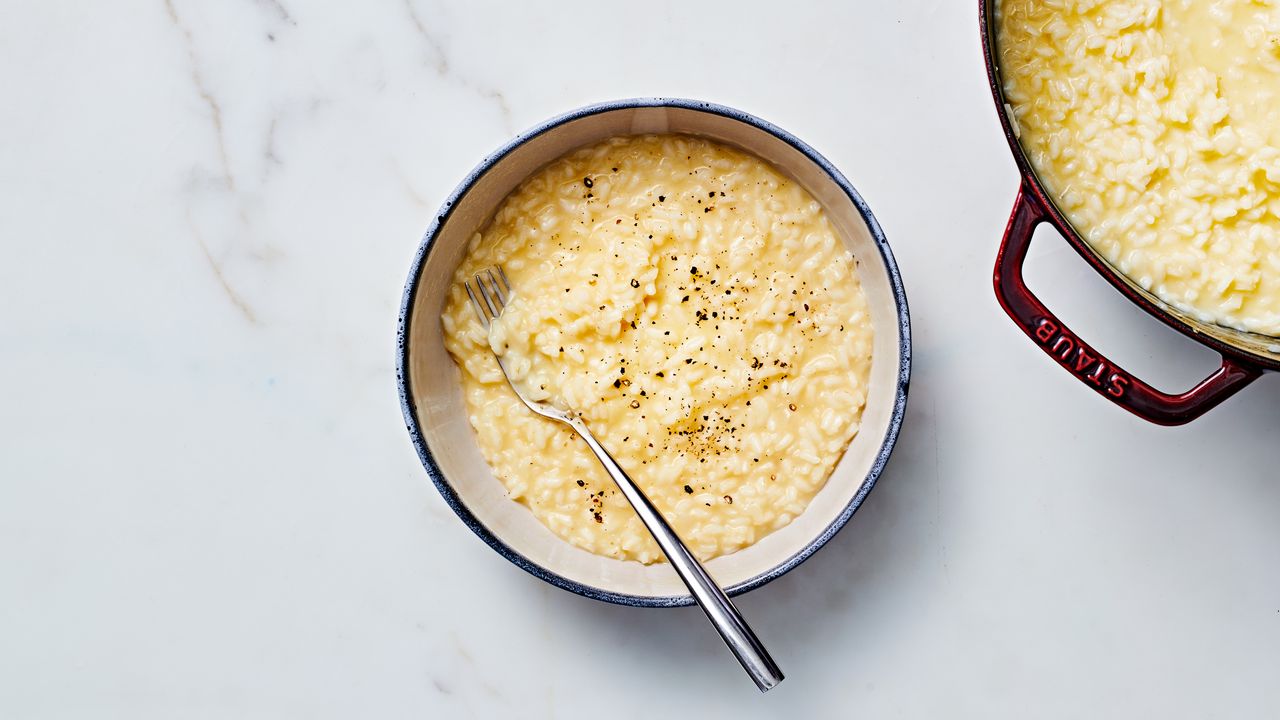
Mastering the Magic of Risotto: Debunking the Myths
Often considered a culinary Everest, shrouded in mystery and difficulty, risotto is, in truth, one of the most rewarding and surprisingly accessible Italian dishes you can master. This northern Italian masterpiece, known for its unparalleled creaminess and rich flavor, has a reputation for being challenging to prepare. But what if we told you that the secret to a restaurant-worthy risotto recipe is less about complexity and more about patience and technique?
Indeed, this comforting rice dish is like a blank canvas, inviting you to paint with a palette of seasonal ingredients and bold flavors. From the earthy richness of mushrooms to the vibrant sweetness of spring vegetables, a well-executed risotto transforms humble rice into an unforgettable experience. Whether you're a seasoned chef or a beginner just starting your culinary adventure, learning the art of risotto promises delicious rewards and elevates your dinner table from mundane to memorable. Let's dive into demystifying this Italian classic and explore how easy and delicious a risotto recipe can truly be, any night of the week.
The Essential Elements of a Perfect Risotto Recipe
At its heart, a great risotto hinges on a few key ingredients and a distinctive cooking method. Understanding these fundamental building blocks is your first step towards consistently incredible results.
The Right Rice is Non-Negotiable
The single most crucial ingredient in any risotto recipe is the rice itself. Forget your long-grain jasmine or basmati; these won't yield the desired creamy texture. For authentic Italian risotto, you need a short- or medium-grain, high-starch rice variety. The stars of the show are:
- Arborio: The most widely available and popular choice, Arborio rice has a high starch content and a creamy texture when cooked, making it ideal for absorbing liquids and developing that signature silkiness.
- Carnaroli: Often considered the "king of risotto rice," Carnaroli has higher starch content than Arborio and maintains a slightly firmer, more al dente bite even when perfectly creamy. It's more forgiving if you overcook it slightly.
- Vialone Nano: A shorter, rounder grain, Vialone Nano absorbs liquid exceptionally well and produces a very creamy risotto with a fine, delicate texture.
These rice varieties release their starches during cooking, which, combined with constant stirring, creates the hallmark velvety texture of risotto. Using the wrong rice will prevent this starch release, resulting in a dish that's more like rice pilaf than true risotto.
Building Layers of Flavor
Beyond the rice, the foundation of any great risotto is built on aromatic ingredients and quality liquids:
- Aromatics: Fragrant sautéed shallots or onions provide the initial layer of savory flavor. Some recipes might add garlic, leeks, or even finely diced celery for added complexity.
- Fat: Olive oil, butter, or a combination of both are used to sauté the aromatics and toast the rice, adding richness and helping to develop the nutty flavor of the grains.
- Wine: A splash of dry white wine (like Pinot Grigio, Sauvignon Blanc, or even dry vermouth) is traditional. It deglazes the pan, adds acidity, and contributes depth, evaporating off its alcohol while leaving its flavor behind.
- Hot Stock: This is the lifeblood of risotto. Chicken stock, vegetable stock, or even mushroom broth can be used. Crucially, it must be kept simmering hot. Adding cold stock will lower the temperature of the rice, interrupting the cooking process and affecting the starch release.
- Parmesan Cheese: Finely grated Parmigiano-Reggiano is stirred in at the end, adding a salty, umami-rich finish and contributing significantly to the final creamy consistency.
- Butter: Often, a knob of cold butter is vigorously stirred in at the very end (a technique called mantecatura) to emulsify with the starches and create an incredibly luxurious, glossy finish.
The Risotto Method: A Meditative Dance
The "risotto method" is where the magic truly happens, and it's less daunting than you might imagine. It requires your attention, but it's a rhythmic and almost meditative process:
- Sauté Aromatics: Cook shallots or onions in olive oil/butter until softened.
- Toast the Rice (Tostatura): Add the rice and stir continuously for 1-2 minutes until the edges of the grains become translucent and the center remains opaque. This step helps seal the grain, allowing it to cook evenly without becoming mushy.
- Deglaze with Wine: Pour in the wine and stir until it's completely absorbed.
- Gradual Stock Addition: This is the core. Add one ladleful of hot stock at a time, stirring often. Wait until the stock is almost completely absorbed by the rice before adding the next ladle. This gradual addition and constant stirring are what release the starches from the rice, creating the creamy texture. This process typically takes 18-25 minutes.
- Taste for Doneness: The risotto is ready when the rice is al dente – tender with a slight bite in the center – and the overall consistency is creamy and flowing, but not runny. It should form a soft, creamy mound on a plate.
- Mantecatura (Finishing): Remove from heat, stir in a generous amount of grated Parmesan cheese and a knob of cold butter. Stir vigorously until everything is incorporated and the risotto is incredibly creamy and glossy. Season with salt and pepper to taste, and finish with fresh herbs like parsley or chives.
Beyond Basic: Exploring Endless Risotto Recipe Variations
Once you've mastered the foundational technique, the world of risotto opens up to endless possibilities. The "blank canvas" nature of this dish means you can adapt it to any season, preference, or pantry staples.
Seasonal Inspirations
- Spring: Think vibrant green. Asparagus risotto, often with a hint of lemon zest, fresh peas, or delicate fava beans, captures the freshness of the season.
- Summer: Light and bright. Tomato risotto (perhaps with roasted cherry tomatoes), zucchini and saffron, or a fresh seafood risotto with shrimp or scallops.
- Fall: Earthy and comforting. Butternut squash risotto, often enriched with sage and brown butter, mushroom risotto (using wild mushrooms like porcini for intense flavor), or pumpkin risotto.
- Winter: Hearty and warming. Red wine risotto with radicchio, a robust osso buco risotto, or even a simple yet elegant saffron risotto (Risotto alla Milanese).
Creative Twists & Convenient Options
Don't feel limited to traditional methods:
- Oven-Baked Risotto: For those nights when you prefer a more hands-off approach, oven-baked risotto recipes simplify the stirring process significantly. While perhaps not achieving the exact same depth of creaminess as the stovetop method, it's a fantastic alternative for convenience.
- Grain Variations: While Arborio is classic, explore other grains. Farro risotto offers a nuttier flavor and a chewier texture, providing a delightful variation on the usual. Just ensure you adjust cooking times and liquid absorption.
- Vegetarian & Vegan Adaptations: Many vegetable risottos use chicken broth for depth. Easily make them vegetarian by using a high-quality vegetable broth. For vegan options, omit the butter and Parmesan, substituting with nutritional yeast or plant-based butter and cheese alternatives, and ensure your wine is vegan-friendly.
- Protein Power: Add cooked chicken, sausage, pancetta, or even chickpeas for a more substantial meal. Incorporate them towards the end of the cooking process to warm through.
Pro Tips for Your Best Risotto Yet
Elevate your risotto recipe with these expert insights:
- Mise en Place is Key: Because risotto requires continuous attention, have all your ingredients prepped and ready before you start cooking. This means chopped aromatics, measured rice, grated cheese, and – crucially – hot simmering stock.
- Use a Wide, Heavy-Bottomed Pot: This ensures even heat distribution and allows for ample surface area for the rice to cook consistently and release its starches.
- Taste, Taste, Taste: Don't rely solely on timers. Taste the rice frequently during the last 5-7 minutes of cooking to ensure it reaches your preferred al dente texture.
- Don't Overcrowd the Pot: Cooking too much risotto at once can prevent proper evaporation and make it harder to achieve the right consistency. If making a large batch, consider cooking it in two smaller pots.
- Don't Rinse the Rice: Unlike other rice dishes, you want to preserve the starch on risotto rice grains. Rinsing them would strip away the very thing that makes risotto creamy.
- Serve Immediately: Risotto waits for no one! It's at its absolute best right off the stove when it's perfectly creamy and hot. It tends to stiffen and become less appealing if left to sit.
- Adjust Liquid as Needed: The amount of stock can vary depending on your rice, pot, and heat. Don't be afraid to add a little more if the rice is still too firm, or hold back if it's getting too loose too quickly.
Your Risotto Journey Starts Here
From a foundational Parmesan risotto to adventurous seasonal creations, the journey of mastering this Italian delicacy is incredibly rewarding. What appears to be a complex dish is, in practice, a series of simple, repetitive steps that build to something truly spectacular. Embrace the rhythm of stirring, the anticipation of each ladle of stock, and the transformation of humble rice into a luxurious, creamy masterpiece. So go ahead, stock up on some Arborio, warm up that broth, and let your culinary adventure begin. Your perfect risotto recipe for any night of the week awaits!
