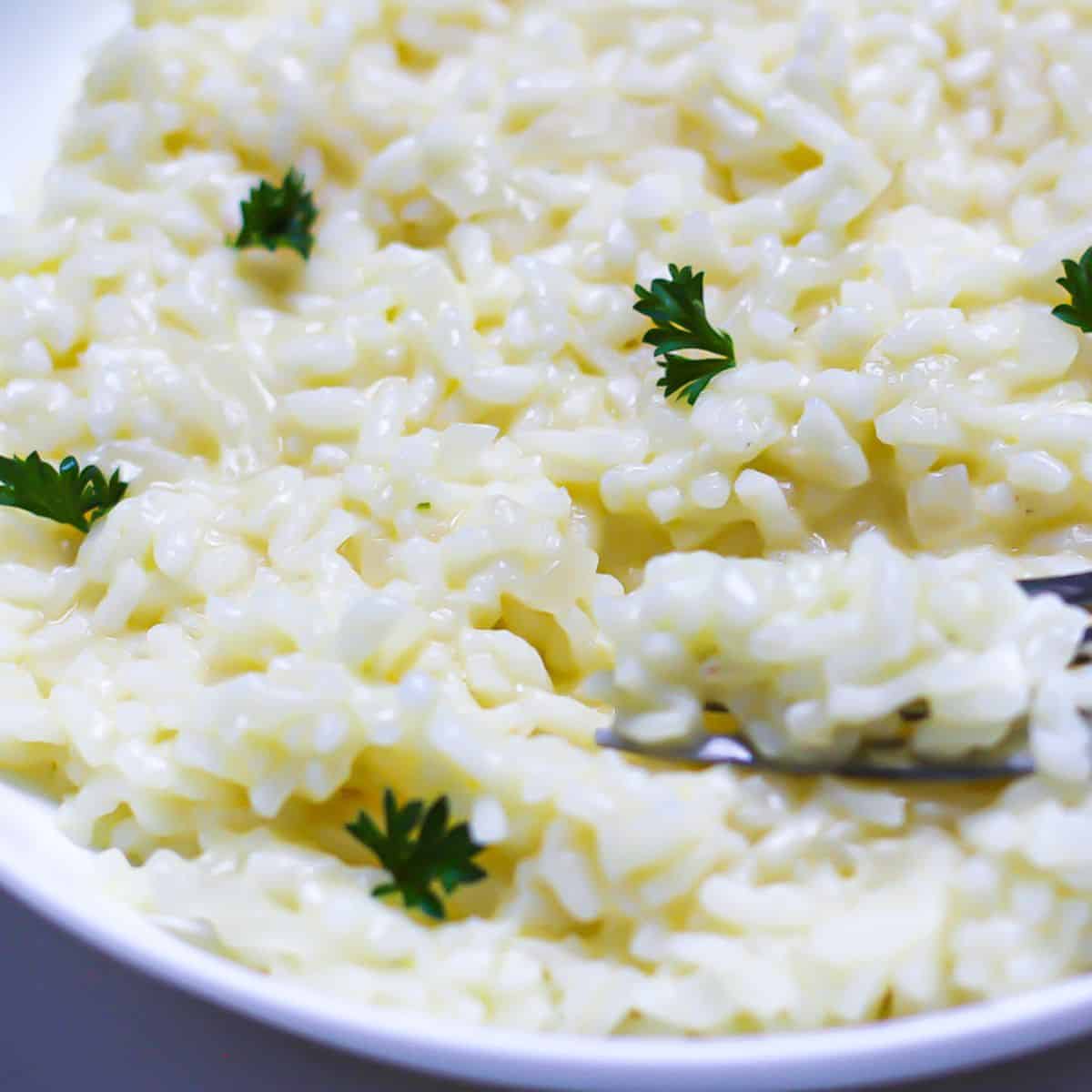
Demystifying Risotto: Your Guide to Restaurant-Quality Creaminess at Home
Often perceived as a challenging dish reserved for seasoned chefs or fine dining establishments, risotto holds a secret: it's incredibly rewarding and surprisingly achievable for home cooks. This Italian masterpiece, born in the northern regions of Italy, marries comfort with sophistication, offering a blank canvas for an endless palette of flavors. Far from being intimidating, mastering the art of a perfect risotto recipe is more about technique and attention than elusive skill. Ready to transform your dinners from mundane to memorable and achieve that sought-after restaurant-quality creaminess right in your own kitchen?
What Makes Risotto So Special? Unpacking the Italian Culinary Gem
At its heart, risotto is a creamy rice dish, traditionally made with short-grain, high-starch rice, slowly cooked in broth until it reaches a velvety, luxurious consistency. It's a testament to simple ingredients coming together in a harmonious, deeply satisfying way. Unlike typical steamed or boiled rice, the unique cooking method for risotto coaxes the starch out of the rice grains, creating its signature creamy texture without the need for actual cream (though a knob of butter and a shower of Parmesan are often added at the end for extra richness).
A properly cooked risotto should flow gently on a plate, forming a soft mound rather than being runny or stiff. It offers a delightful balance of tenderness and a slight al dente bite in the rice grains – a characteristic known as all'onda, meaning "wavy" in Italian, referring to its fluid movement.
The Essential Ingredients for an Authentic Risotto Recipe
To truly elevate your homemade risotto to restaurant standards, selecting the right ingredients is paramount. Each component plays a vital role in achieving that perfect texture and depth of flavor.
- The Right Rice: The Foundation of Creaminess
This is non-negotiable. Forget long-grain varieties like jasmine or basmati; they simply won't release enough starch to achieve risotto's characteristic creaminess. Your go-to choices should be:- Arborio Rice: The most common and readily available, Arborio is a medium-grain, high-starch rice that becomes wonderfully creamy when cooked. It's an excellent choice for beginners.
- Carnaroli Rice: Often considered the "King of Risotto," Carnaroli has a higher starch content and firmer grain, leading to an even creamier result with a better al dente bite. It's also more forgiving if you slightly overcook it.
- Vialone Nano Rice: A shorter, plumper grain than Arborio or Carnaroli, Vialone Nano absorbs more liquid, yielding a creamier risotto. It's often favored for seafood risottos due to its delicate texture.
- Quality Broth: The Flavor Enhancer
Whether you choose chicken, vegetable, or even fish broth, make sure it's good quality and, crucially, always heated. Adding cold broth will shock the rice, slowing down the cooking process and potentially affecting the final texture. Homemade broth will always yield the best flavor, but a good store-bought low-sodium option works well. - Aromatics: The Flavor Base
Finely diced shallots or white onions provide the sweet, aromatic base. Garlic can be added sparingly for certain recipes, but traditionally, it's kept simple to let the rice shine. - Dry White Wine or Vermouth: The Deglazing Agent
A splash of dry white wine (like Pinot Grigio, Sauvignon Blanc, or unoaked Chardonnay) or dry vermouth adds acidity and depth, helping to deglaze the pan and adding a subtle complexity that rounds out the flavors. - Fat: Butter and Olive Oil
A combination of olive oil for sautéing and a generous knob of butter added at the end (mantecatura) creates richness and helps emulsify the sauce. - Parmesan Cheese: The Finishing Touch
Freshly grated Parmigiano-Reggiano is essential for that salty, umami kick and contributes significantly to the final creamy texture.
Mastering the Risotto Method: Step-by-Step to Perfection
The secret to an exceptional risotto recipe lies in understanding and executing the traditional "risotto method." It requires your attention and a little patience, but the results are incredibly rewarding.
- Mise en Place (Preparation is Key): Have all your ingredients prepped and ready. This means finely dicing your aromatics, grating your cheese, and most importantly, having your broth simmering gently in a separate pot.
- Sauté the Aromatics: In a wide, heavy-bottomed pot or Dutch oven, heat a tablespoon or two of olive oil (and optionally, a small knob of butter) over medium heat. Add your diced shallots or onions and cook gently until softened and translucent, about 3-5 minutes. Do not brown them.
- Toast the Rice (Tostatura): Add your risotto rice to the pot. Stir constantly for 1-2 minutes until the edges of the grains become translucent and the center remains opaque. This step, called tostatura, is crucial. It seals the outside of the rice grains, allowing them to absorb liquid slowly and release their starch evenly, preventing them from becoming mushy.
- Deglaze with Wine (Sfumare): Pour in the dry white wine or vermouth. Stir continuously until the wine is completely absorbed by the rice. The alcohol will evaporate, leaving behind a subtle, complex flavor.
- The Ladle-by-Ladle Stir: This is the heart of the risotto method. Add one ladleful (about ½ cup) of hot broth to the rice. Stir gently but consistently. The stirring helps to abrade the rice grains, encouraging them to release their starches, which is what creates the creamy texture. Wait until almost all the liquid has been absorbed by the rice before adding the next ladleful. This process typically takes 18-25 minutes.
- Test for Doneness (Al Dente): Continue adding broth, one ladle at a time, until the rice is creamy but still retains a slight bite in the center – what Italians call al dente. It shouldn't be crunchy, but it shouldn't be mushy either. You might not use all the broth, or you might need a little more; trust your taste buds and the rice's texture.
- The Final Emulsification (Mantecatura): Once the rice is al dente, remove the pot from the heat. Stir in a generous knob of cold butter and a good handful of freshly grated Parmigiano-Reggiano cheese. Stir vigorously for about a minute; this vigorous motion, called mantecatura, helps to emulsify the fats and starches, creating that incredibly rich, creamy, and glossy finish.
- Rest and Serve: Let the risotto rest for a minute or two, uncovered, before serving immediately. Risotto waits for no one! Garnish with fresh parsley or other herbs if desired.
Tips for Elevating Your Risotto Beyond Basic
- Temperature Control: Always ensure your broth is simmering. This prevents the rice from cooling down and ensures a consistent cooking process.
- Gentle, Consistent Stirring: You don't need to stir like a maniac, but consistent, gentle stirring is key to releasing starches without breaking down the grains.
- Taste, Taste, Taste: Regularly taste your risotto as it cooks to check for seasoning and doneness. Adjust salt and pepper as needed.
- Don't Be Afraid of Fat: That final butter and Parmesan addition (mantecatura) is crucial for the ultimate creaminess and flavor.
- Embrace Versatility: Once you master the basic risotto recipe, the culinary world is your oyster. Experiment with seasonal vegetables like asparagus in spring, butternut squash in fall, or wild mushrooms year-round. Seafood, saffron, and even citrus can create stunning variations. For more creative ideas, check out Unlock Risotto's Versatility: Creative Recipes for Home.
- Consider Oven-Baked Risotto: While the traditional method offers unmatched control over texture, for busy weeknights, oven-baked versions can be a fantastic alternative, significantly reducing stirring time.
Common Risotto Pitfalls and How to Avoid Them
- Runny Risotto: This means you've added too much liquid. If it's too thin, keep stirring off the heat for another minute or two, allowing some liquid to evaporate and the starch to continue thickening.
- Stiff or Gluey Risotto: Either you haven't added enough liquid, the rice is undercooked, or you've overcooked it, causing the grains to break down too much. Ensure you're always checking for that all'onda consistency.
- Lack of Flavor: Don't skimp on quality broth, wine, or the final Parmesan. These layers of flavor are vital.
- Mushy Rice: This usually happens from overcooking or using the wrong type of rice. Stick to Arborio, Carnaroli, or Vialone Nano, and aim for that al dente bite.
Contrary to its reputation, making a delicious, restaurant-quality risotto recipe at home is not an insurmountable task. It's a culinary journey that rewards patience and attention with a truly luxurious and comforting dish. By understanding the core ingredients and embracing the gentle, ladle-by-ladle cooking method, you'll unlock the secrets to perfect Italian creaminess. So, stock up on the right rice, heat your broth, and prepare to impress yourself and your guests with this delightful Italian classic!
